Where to Stay in Hanamaki Minami Onsenkyo: Osawa, Namari, Yama no Kami or Shidotaira?
Choose Osawa for self-catering, Namari for its historic bath, Yuukaen for a full-service ryokan or Shidotaira for family facilities by the river.
The four main stays in Hanamaki Minami Onsenkyo are not interchangeable versions of the same ryokan. Osawa has both a self-catering therapeutic-stay wing and a more conventional inn; Namari pairs an old wooden bathhouse with simpler rooms and a separate annex; Yuukaen is a full-service Japanese inn with its own day-use bathhouse nearby; Shidotaira is a larger resort with family facilities. Choose the overnight format first, then compare meals, room access and transfers.
| Stay | What the night is built around | Best fit if… | Check before booking |
|---|---|---|---|
| Osawa Onsen: Tojiya or Sansuikaku | Several shared baths across a riverside complex; Tojiya supports self-catering, while Sansuikaku is the more conventional inn | You want to settle in for a bath-focused stay and are happy to choose your service level | Which building and room category you are booking; Tojiya has shared facilities and optional items, not a standard full-service room setup |
| Namari Onsen: Fuji Ryokan | Four source-fed baths in a historic wooden main building, with an adjoining modern annex and a separate therapeutic-stay section | The bathing is a main reason for choosing the inn | Main building versus annex versus Toji section; private washroom and meal arrangements differ |
| Yama no Kami Onsen: Yuukaen | Traditional Japanese rooms, several hot-spring baths and full-service meals; Nagomi-no-Yu is a separate day-use facility on the grounds | You want a conventional ryokan stay with multiple baths and dining in one property | Do not assume the day-use Nagomi-no-Yu building is the guest bathing area or that every meal plan is the same |
| Shidotaira Onsen: Hotel Shidotaira | A riverside resort with multiple facilities and family-oriented services | You are travelling with children or want hotel-style amenities alongside bathing | Pool dates and access, room plan inclusions, and the reserved shuttle details |
If you are only choosing a bath for a few hours, use the separate Hanamaki Minami day-use onsen guide. This comparison is about what changes when you stay overnight.
A seven-point scorecard
These source-guide scores are editorial shorthand for comparing the stays; they are not official facility ratings. Read “access” in light of your chosen inn’s stop and shuttle, not just its distance on a map.
| Stay | Bath comfort | Variety | Upkeep | Setting | Quiet | Access | Value |
|---|---|---|---|---|---|---|---|
| Osawa Onsen | 8.0 | 8.5 | 7.0 | 9.5 | 7.5 | 7.5 | 9.5 |
| Fuji Ryokan, Namari | 8.0 | 9.5 | 7.0 | 9.5 | 8.0 | 6.5 | 9.5 |
| Nagomi-no-Yu / Yuukaen area | 9.0 | 8.5 | 9.0 | 9.0 | 7.5 | 7.0 | 9.0 |
| Hotel Shidotaira | 9.0 | 9.0 | 9.0 | 9.0 | 6.0 | 8.5 | 8.5 |

Osawa: pick a building, not just the name
Osawa Onsen’s two overnight choices answer different questions. Tojiya is the old self-catering wing, with shared kitchens and a long-stay setup. Guests can bring ingredients and cook, eat at the on-site restaurant, or add meals through an available plan. Rooms have shared toilets; linen, yukata and some other items may be treated as options rather than included in the same way as a conventional inn. Read the room and plan details before comparing headline prices.
Sansuikaku is the more conventional Japanese inn, with meals and room categories arranged through stay plans. Both buildings connect to Osawa’s bath circuit, but room facilities and the bathing schedule differ. If you have limited mobility, need a private toilet or prefer not to navigate a traditional corridor layout, Sansuikaku is the more relevant place to investigate. Kikusui-kan is currently used as the Chigaya gallery rather than guest accommodation, and the gallery closes for winter.
Fuji Ryokan: four baths, three kinds of room setup
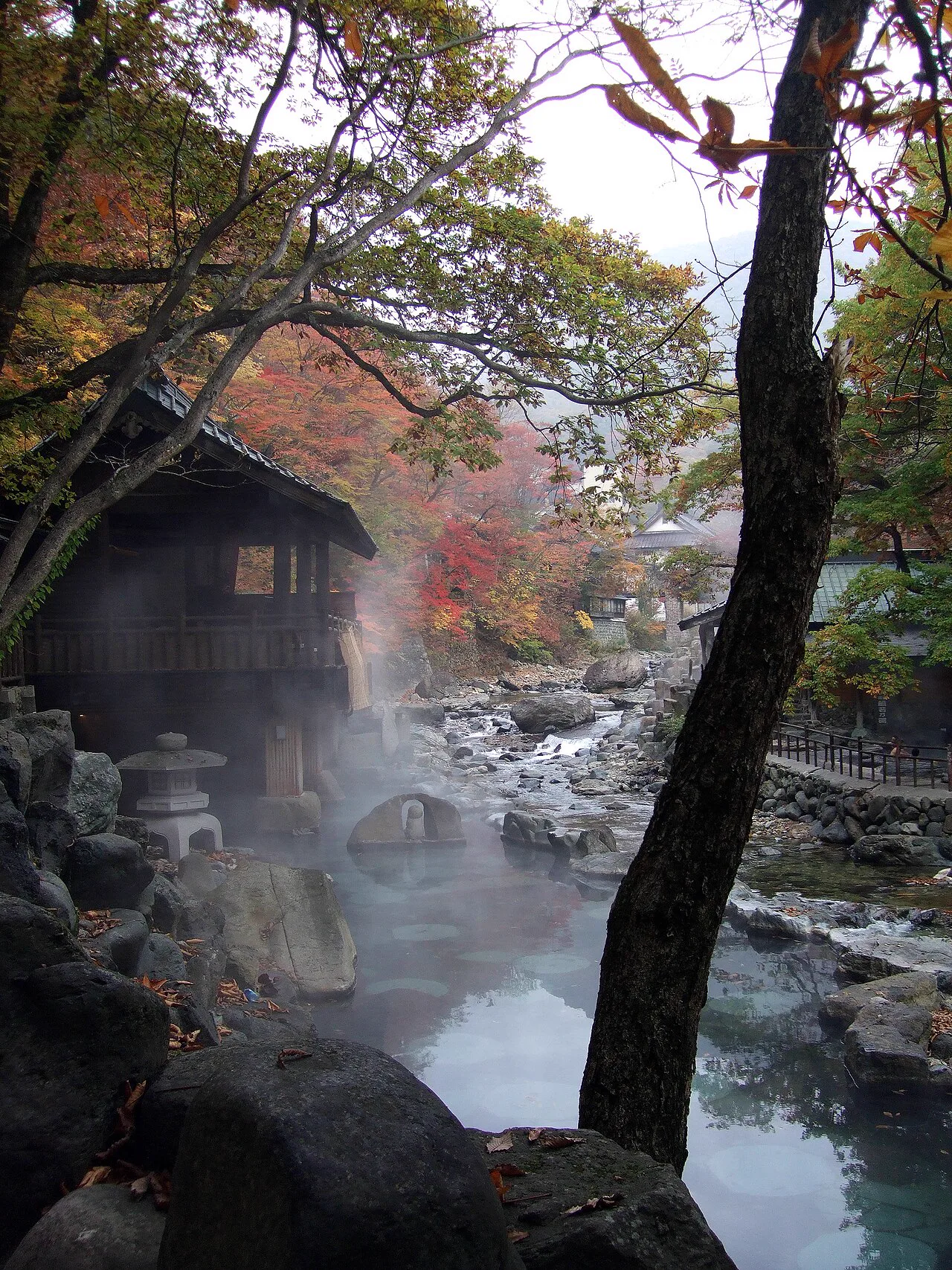
Fuji Ryokan makes sense when the source-fed baths are central to the trip. The four bathing areas include Shirozaru-no-yu, the deep standing bath, plus three other pools; each has its own schedule and bathing rules. Staying overnight gives more time to work around cleaning and gender-specific periods than a short day visit, but it does not remove them.
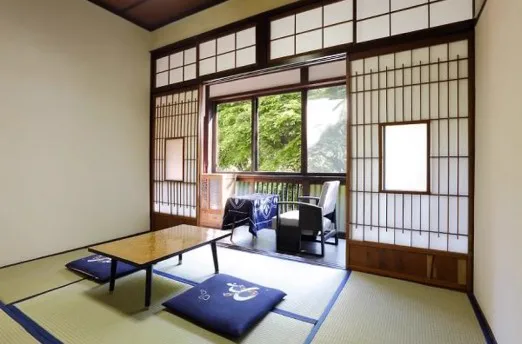
Fuji Ryokan’s rooms differ by building. The historic main building is wooden, while the adjoining reinforced-concrete annex is described as more insulated.
The Toji section offers traditional 6–8-tatami rooms without private toilets or washbasins; guests can cook in a shared kitchen. Meal plans are available. Check the building and amenities listed for your reservation.
Yuukaen: full ryokan service, with a separate day-use bathhouse
Yuukaen is the conventional full-service choice among these four. Its official site describes Japanese rooms, local ingredients in its meals, five source waters and large outdoor baths. The architecture is part of the property’s character, with traditional carpentry details throughout the main inn.
Nagomi-no-Yu, despite being on the same grounds, is a separate day-use bathing facility. Do not choose Yuukaen on the assumption that Nagomi’s sauna, restaurant or admission setup is automatically part of the overnight stay. Check the lodging plan’s bathing and meal inclusions, particularly if you are comparing it with a day-use visit.
Shidotaira: a resort stay for families and facility time
Hotel Shidotaira is the most resort-like option. The hotel sits beside the Toyosawa River and offers a range of bathing, dining and family facilities. Its pool is for overnight guests, not day-use bathers, but swimming is seasonal and subject to the hotel’s current operating calendar; confirm the dates and room-plan conditions before building a trip around it.
This is the easier property to shortlist when a family needs hotel services and children’s bathing equipment. For a quieter, more self-directed bath stay, the smaller room-and-kitchen setups at Osawa or Namari may suit better. The distinction is the amount of hotel infrastructure you plan to use, not a rating of which hot spring is “best.”
Transfers matter more than the map suggests
The public Yukuchi Line connects Hanamaki Station with these onsen areas, but timetables are limited enough that an overnight shuttle can make a real difference when travelling with luggage. The shared Hanamaki Minami Onsenkyo shuttle is reserved for guests staying at participating inns; book through your accommodation.
From September 1, 2026, the southern-route contribution is ¥100 each way per passenger aged three or over. Pickup point, reservation deadline and return service depend on the property, so confirm them with your inn rather than relying on an old timetable.
Current posted adult bus fares from Hanamaki Station range from ¥600 to Shidotaira, ¥670 to Osawa, ¥720 to Yama no Kami and ¥780 to Namari. The fare is only one part of the decision: check when you can arrive, whether dinner service begins at a fixed time, and what bus or shuttle is available after checkout.
Use the Hanamaki Onsenkyo directory to check the participating inns and plan your route.