Bansuiro Fukuzumi in Hakone-Yumoto: How to Choose a Room
Compare Bansuiro Fukuzumi’s Meiji-era rooms, in-room hot-spring baths and free-flowing communal baths before choosing a room in Hakone-Yumoto.
Bansuiro Fukuzumi is a strong match if the draw is an old Hakone inn and a genuinely free-flowing communal bath. The crucial booking detail is easy to miss: the shared baths use the inn’s free-flowing source water, while a guest-room bath—where the room has one—is fed by the same natural hot spring but is not free-flowing. A room labelled “private onsen” is not the same thing as having the public bath’s water supply in your room.
Room choice matters here more than a standard category name suggests. Some Meiji-era rooms have no bath; selected rooms in the Kinseiro and Showa wings do have a private bath supplied with natural spring water. The historic Room 15, known for its painted ceiling, is currently not accepting accommodation bookings. If you need step-free access or want to bathe privately, check the exact room number and layout before paying.
The communal baths are the free-flowing part of the stay
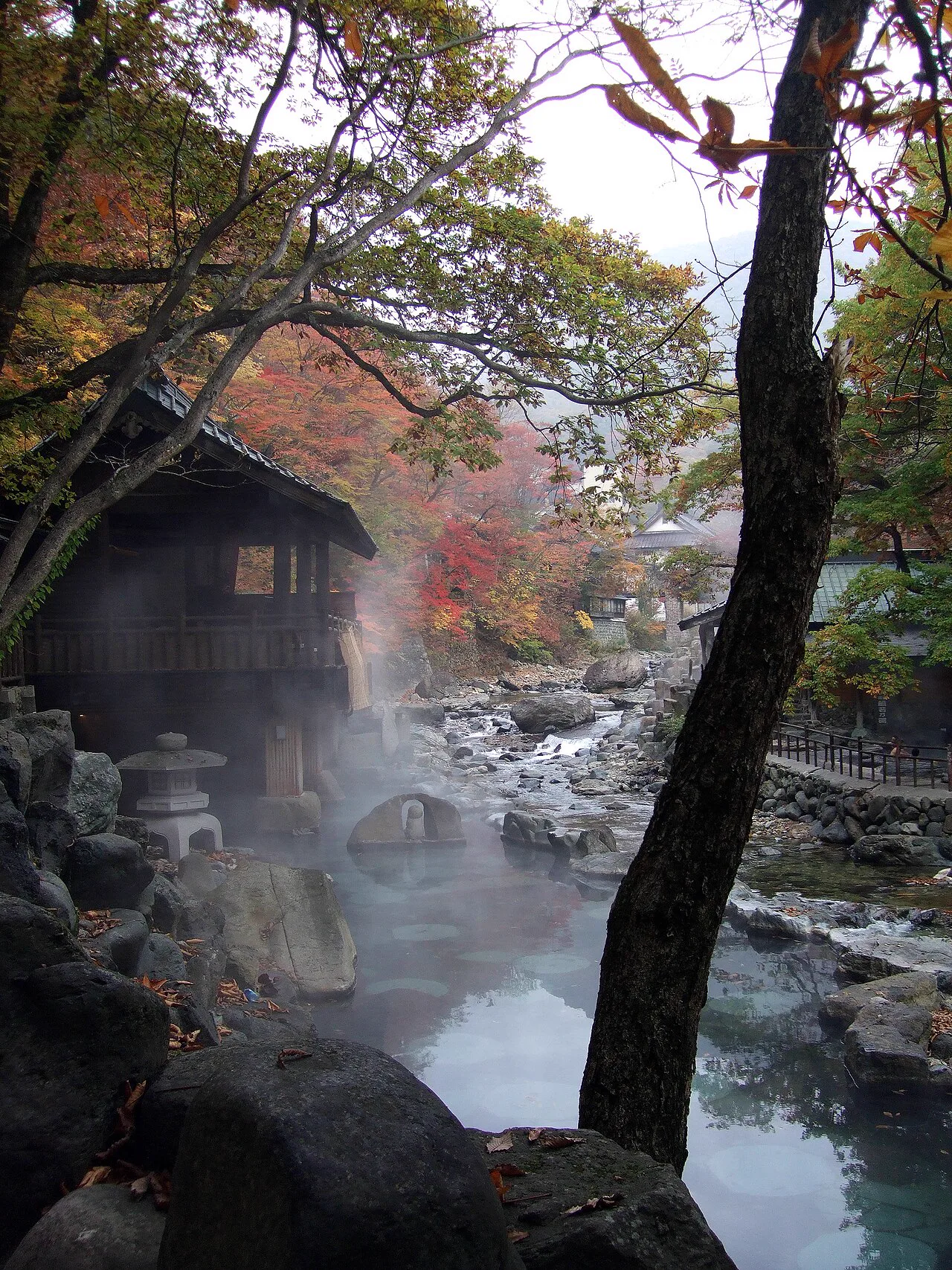
The inn manages its own Yumoto No. 3 spring, an alkaline simple hot spring. The source was developed in the Meiji era and rises naturally; the property says its output exceeds 100 litres per minute even at low flow. Its two main communal baths—Ichien-no-yu and Ogi-no-yu—use the source as free-flowing water.
Guests can use the communal baths from 3 p.m. until 10 a.m. the next morning. The men’s and women’s assignments switch at 7 p.m. and 8:30 a.m.; allow about 15 minutes at each changeover when neither bath is available. On consecutive nights, both baths close from 10 a.m. to 3 p.m. for draining and cleaning.
That rotation gives an overnight guest time to try both main baths: use whichever one is assigned after check-in, then return after the evening switch. The early morning change can interrupt a last soak, so check the sign at the entrance rather than assuming the same bath remains open overnight.
A room with a bath does not mean a free-flowing bath
The room-bath distinction is explicit on the inn’s hot-spring page. Selected rooms have a bath with natural hot-spring water from the tap, but the room baths are not supplied as free-flowing spring baths. If your requirement is fresh source water continuously entering and leaving the tub, this property’s guest-room baths do not meet it. The communal baths do.
Rooms 10 and 20 in the Kinseiro wing have a larger private cypress bath and can sleep up to four. Rooms 12 and 22 in the same wing also list private baths supplied with natural spring water. In the Showa wing, the Kaede, Matsu and Sakura rooms are for two and have cypress baths; the Katsu-ra and Hana rooms also list in-room baths. Confirm which exact plan you are booking, since room names and layouts are not interchangeable.
Historic rooms trade private bathing for architectural detail
The Meiji wing includes rooms with no in-room bath. Room 25 is a large four-person layout, but the inn says it is reached by stairs and is difficult for guests with limited mobility. Room 35 is on the third floor and is also not recommended for guests who find stairs difficult. The Meiji wing is designated a National Important Cultural Property, so the older layout is part of the stay—not a modern room with a historical finish.
Room 15 is especially associated with the inn’s heritage: it was completed in 1878 and has a ceiling decorated with 48 paintings. The property currently says it is not taking stays in this room while it protects the historic fabric. Treat it as a cultural feature to learn about, not a bookable upgrade.
Room 30 has a different access issue. Its entrance is on the second floor, but a private staircase leads up to the room on the third. It has a bath, yet the room may be a poor choice if stairs or balance are a concern. Tell the inn what kind of access you need and confirm the route to the bedroom and bath; the words “private bath” alone do not answer that question.
Dinner time and bath time both shape the evening
Dinner starts at either 6 p.m. or 7 p.m.; breakfast starts at 8, 8:30 or 9 a.m. Meal location depends on guest numbers and the day’s room arrangements. The inn may serve meals in the guest room or assign a private dining room, so do not book on the assumption that every plan includes in-room dining.
The inn does not list regular day-use admission, a bath-only price or a last-entry time. Plan on an overnight stay unless Bansuiro Fukuzumi confirms a separate day-use arrangement. Room prices depend on the date, room and meal plan.
With a 6 p.m. dinner, an early bath before the evening changeover may fit more easily. A 7 p.m. start puts the second bath rotation later in the evening. Confirm meal times after arrival, then plan your baths around the schedule posted at the inn.
Getting there and deciding whether the inn fits
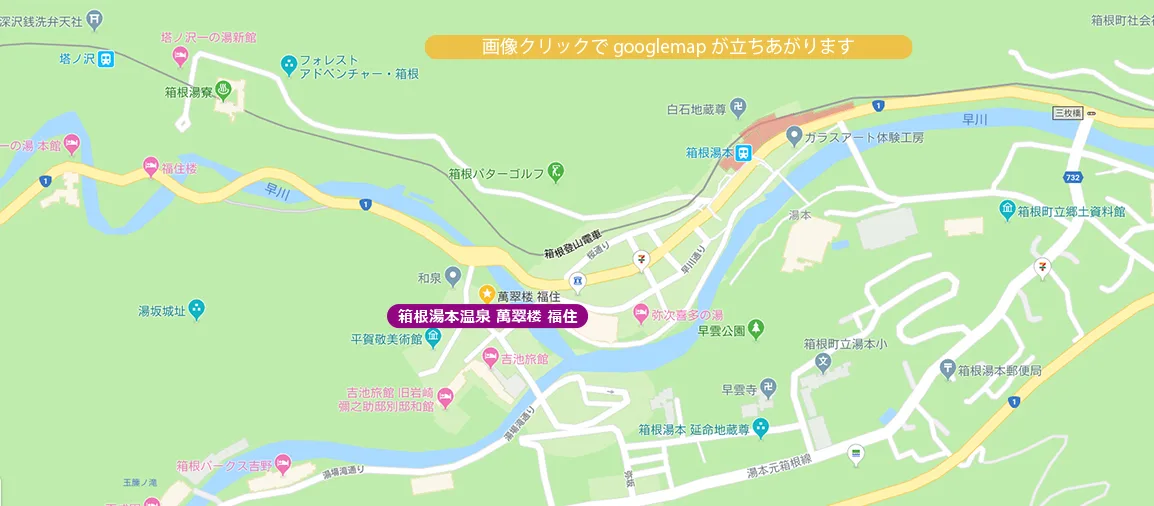
Bansuiro Fukuzumi is at 643 Yumoto, Hakone-machi. Its current FAQ says it does not operate a station shuttle. The official access page has route details; if you are arriving with large luggage, in heavy rain or with someone who has trouble walking, confirm the final leg with the inn before travel rather than counting on a pickup.
This is a good choice when the building, natural source and communal baths matter more than modern accessibility or a private free-flowing room bath. It is less suitable if you need step-free circulation or want to bathe privately in your room with continuously flowing spring water.
Yubiyori’s seven-point ratings
| Category | Score |
|---|---|
| Bathing comfort | 95 |
| Bath variety | 78 |
| Cleanliness and upkeep | 90 |
| Scenery and atmosphere | 88 |
| Quiet | 92 |
| Access | 94 |
| Overall value | 90 |
These scores are Yubiyori’s ratings, not the inn’s. The inn’s tattoo policy is unconfirmed; ask before booking if it affects your decision.
Hakone-Yumoto
Check the exact room, meal plan and cancellation terms
</div>