One Night in Atami: Kinomiya Shrine, the Beach and MOA Museum
Plan Kinomiya Shrine and Sun Beach on day one, then visit MOA Museum before departure. The hillside stops are easier to split across an overnight stay.
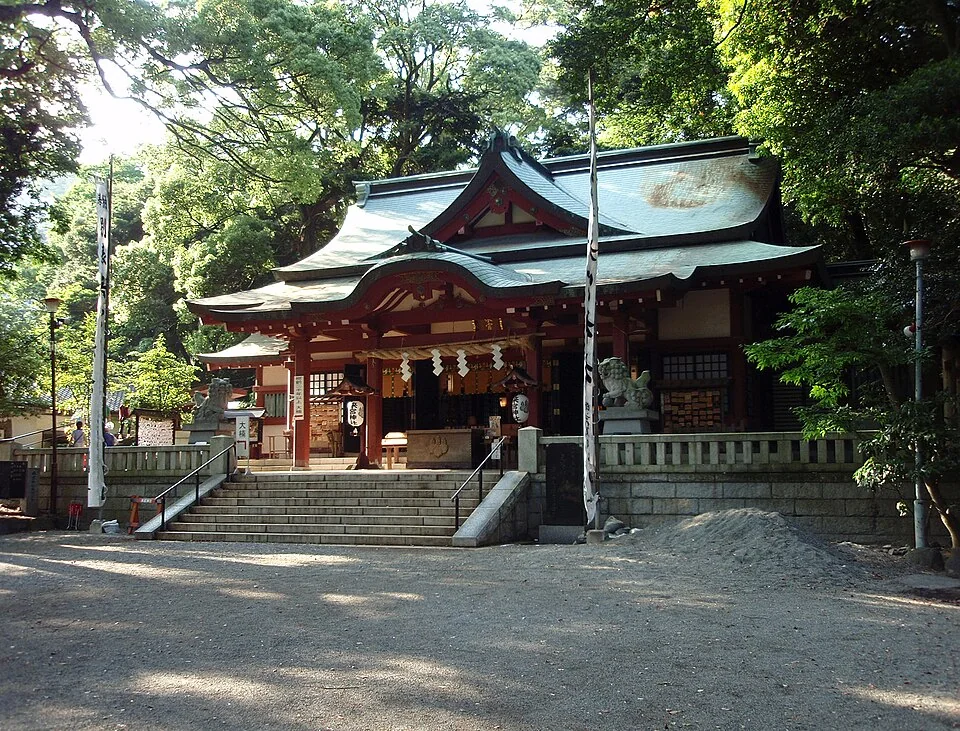
Kinomiya Shrine sits uphill west of Atami Station. Sun Beach is down by the water, while the MOA Museum occupies the heights north of the station. Seeing all three at an unhurried pace is easier with one night in town: visit the shrine and waterfront on day one, then leave the next morning for the museum before collecting your bags.
Day one: the shrine, then the waterfront
Arrive late morning and leave your luggage at the station or your hotel. Kinomiya Shrine is about a five-minute walk from Kinomiya Station on the JR Ito Line. From Atami Station, it is roughly an 18-minute walk uphill; take a bus or taxi if you have bags or would rather save your legs for the shrine grounds. The shrine is open 9am–5pm, with prayer applications accepted until 4:30pm. Allow around 90 minutes for the grounds and the great camphor tree.
Afterwards, take the train back towards Atami or use a bus or taxi down to the centre. Walking all the way to the coast means a steady downhill route, not a flat waterfront stroll. In bad weather, or if anyone in your group finds hills difficult, split the journey with a ride.
Choose either Atami Ginza for shops and sweets or Sun Beach for the sea. There is no need to squeeze both in before check-in. On ordinary evenings, the beach is lit until 10pm; the lights are switched off during fireworks displays, so check the event-day arrangements if a show is scheduled.
A workable first-day timetable
| Time | Plan |
|---|---|
| Around 11am | Leave larger bags at the station or hotel; have lunch near the station if you arrive after noon |
| 12:30–2pm | Visit Kinomiya Shrine and the great camphor tree |
| 2:30–4pm | Choose Atami Ginza for shops or Sun Beach for the waterfront |
| After 6pm | Check in, have dinner and take a short evening walk |
Keep this as a framework, not a race. If your train arrives after lunch, shorten the shrine visit or leave the beach for after check-in. In winter, daylight is shorter, so prioritise the waterfront over shopping if you want to see it before dark. Visitors who find slopes difficult can use the JR line, bus or taxi between areas rather than walking the whole descent.
Pick a place to stay for the evening you want
For a beachside base: Atami Seaside Spa & Resort. Every room faces the sea, and Sun Beach and Atami Ginza are close by. There is no station shuttle; the route bus stops at Omiyanomatsu. The walk from the station includes hills and steps, which can feel longer with luggage. The large and private open-air baths use hot-spring water, but the open-air tubs in guest rooms use heated water rather than natural spring water.
For a resort stay with a free shuttle: Hotel New Akao. The hotel sits on Nishikigaura Cape; its shuttle takes about ten minutes from Atami Station. Rooms face the ocean, while the public baths are spread across different wings. Allow time to get between your room, dinner and the baths. Spa Rium Nishiki uses Atami spring No. 402, a sodium-calcium chloride spring with a listed pH of 7.3. An ocean-view room does not mean its private bath is fed by that spring.
For dinner in your room and a central location: Hotel Kanichi. It is about a ten-minute walk from the station and three minutes from Sun Beach, though the station route still has a slope. There is no station shuttle. The inn has two public baths and five reservable open-air baths using its own spring; the source temperature is 94°C and the water is cooled before bathing. In-room dining is available on selected plans, so check whether dinner is included when booking.
At night, keep the walk short and stay around the centre or the waterfront. If you have booked a two-meal plan, note the dinner seating time before going out. After dinner, the hotel bath is an easier finish than crossing town for another attraction.
Day two: the MOA Museum before your train
After checkout, leave your bags at the hotel or station and take the museum bus from stop 8 at Atami Station. The ride takes about seven minutes. MOA opens at 9:30am, closes at 4:30pm and stops admitting visitors at 4pm; it is usually closed on Thursdays, with additional closures around exhibition changes. Check its calendar before setting your departure around a visit.
Allow two or three hours for the galleries, architecture and gardens. Admission is ¥2,000 for adults and ¥1,400 for high-school and university students; younger visitors enter free. The museum has places to sit and a café, so it also gives you an indoor option if the weather turns. Collect your luggage afterwards and leave enough margin for the bus and your train—there is little room for delays if you schedule everything around closing time.
An easy morning is breakfast around 7:30, checkout and bag storage around 9, then the first museum visit after it opens at 9:30. Two adult tickets cost ¥4,000 before the bus fare; hotel, meals and luggage storage are separate. If you need to leave Atami around noon, MOA is a poor fit after checkout. A shorter walk along the coast may make more sense.
Is one day enough?
Yes, if you are happy to choose between the shrine and the waterfront, or keep each visit short. For all three stops at a comfortable pace, an overnight stay avoids turning the day into a sequence of uphill and downhill transfers. If MOA is closed, swap the museum and shrine where opening hours allow; if rain sets in, shorten the beach stop rather than adding another distant attraction.
Trying all three in one day is possible only with an early arrival and a tight schedule: visit MOA at opening, return to the station for lunch, spend about 90 minutes at Kinomiya Shrine, then make the beach a short stop around sunset. There is little spare time for queues, a slow meal or a rest, so cut one stop if you reach Atami around midday. For older travellers or anyone who needs frequent breaks, keep MOA and just one outdoor area rather than chasing the full list.
Before leaving, check the shrine’s visiting hours, MOA’s closure calendar, the bus timetable and luggage-storage cut-off. If your overnight date coincides with fireworks, also confirm the viewing rules and the hotel’s dinner seating; a regular evening walk may not fit the event-day crowd plan.
Sources and photo credit
- [Kinomiya Shrine: access and visiting hours](https://kinomiya.or.jp/top/praying/access/) - [MOA Museum: hours, closures, admission and access](https://www.moaart.or.jp/guide/) - [Atami Sun Beach: access and evening lighting](https://www.ataminews.gr.jp/spot/119/) - [Atami Seaside Spa & Resort: rooms, baths and transport](https://www.atamiseaside.com/faq/) - [Hotel New Akao: shuttle](https://hotel-new-akao.com/access/) - [Hotel New Akao: hot springs](https://hotel-new-akao.com/hot_spring/) - [Hotel Kanichi: hot springs](https://atamikanichi.com/hot_spring/) - [Hotel Kanichi: access](https://atamikanichi.com/access/) - Photo: Batholith, [Kinomiya Shrine](https://commons.wikimedia.org/wiki/File:Kinomiya_Jinja_(Kinomiya_Shrine)_20100612.jpg), public domain.Checked: 27 September 2026.