Spa Aquas Yutoraku in Ichinomiya: Prices, Saunas and Getting There
Check Spa Aquas Yutoraku’s admission, sauna and ganbanyoku options, opening hours and train access, plus what its Gen Z bathing figure represents.
Spa Aquas Yutoraku is a large day spa in Ichinomiya, about seven minutes on foot from Meitetsu Kaimei Station. It reopened after a major renovation on June 18, 2026, with a stadium-style sauna, separate sauna concepts for men and women, two cold baths and an optional ganbanyoku area with manga and places to rest. It suits a half-day or evening out from Nagoya better than a quick stop between central-city sights.
The operator reported that people in their teens and twenties made up about 95% of evening visitors during its first month. That figure was estimated visually by staff between 7 p.m. and closing; only total visitor numbers came from point-of-sale records. Treat it as a snapshot of the launch period, not a verified or permanent demographic statistic.
The operator also reported about 1,600 visitors on opening day, average daily attendance of roughly 1,800 on weekends and 1,200 on weekdays during the first month, and around 40,000 visits that month. These are company figures, not an independent market survey, but they suggest the renovation drew people beyond its launch-day crowd.
What admission includes, and when ganbanyoku is worth adding
| Adult admission | Weekday | Weekend and public holiday |
|---|---|---|
| Bathing and regular sauna | ¥850 | ¥950 |
| Ganbanyoku add-on | +¥500 | +¥600 |
| Bathing and ganbanyoku | ¥1,350 | ¥1,550 |
The bathing ticket includes the saunas in the men’s and women’s bathing areas. The ganbanyoku charge is for the separate heated-stone and lounge zone; food, drinks and massages cost extra. A ten-visit pass is listed at ¥7,800.
If you only want a bath and sauna, there is little reason to pay for ganbanyoku automatically. The add-on makes more sense when you have a few hours to use the manga collection, private rest booths, loft seats and cooling room. With only 90 minutes, changing, bathing and getting ready again can eat up much of your visit.
The bathing areas are not identical
The renovated facility is currently promoted with ten types of bath. The mix includes a high-concentration carbonated bath, a standing bath, individual ceramic tubs, massage jets, a silky bath, an electric bath and two differently sized cold pools. The outdoor deep cold bath is around 12°C; the indoor pool is about 16°C. They are not interchangeable levels in a required sauna routine—choose the temperature you can handle, or skip cold immersion altogether.
An earlier May 2026 announcement advertised 12 bath types. The operator’s full pre-opening facility description in June and its July opening-month report both describe the current lineup as ten. The newer count is the one to use; the earlier figure reflects the advance promotion.
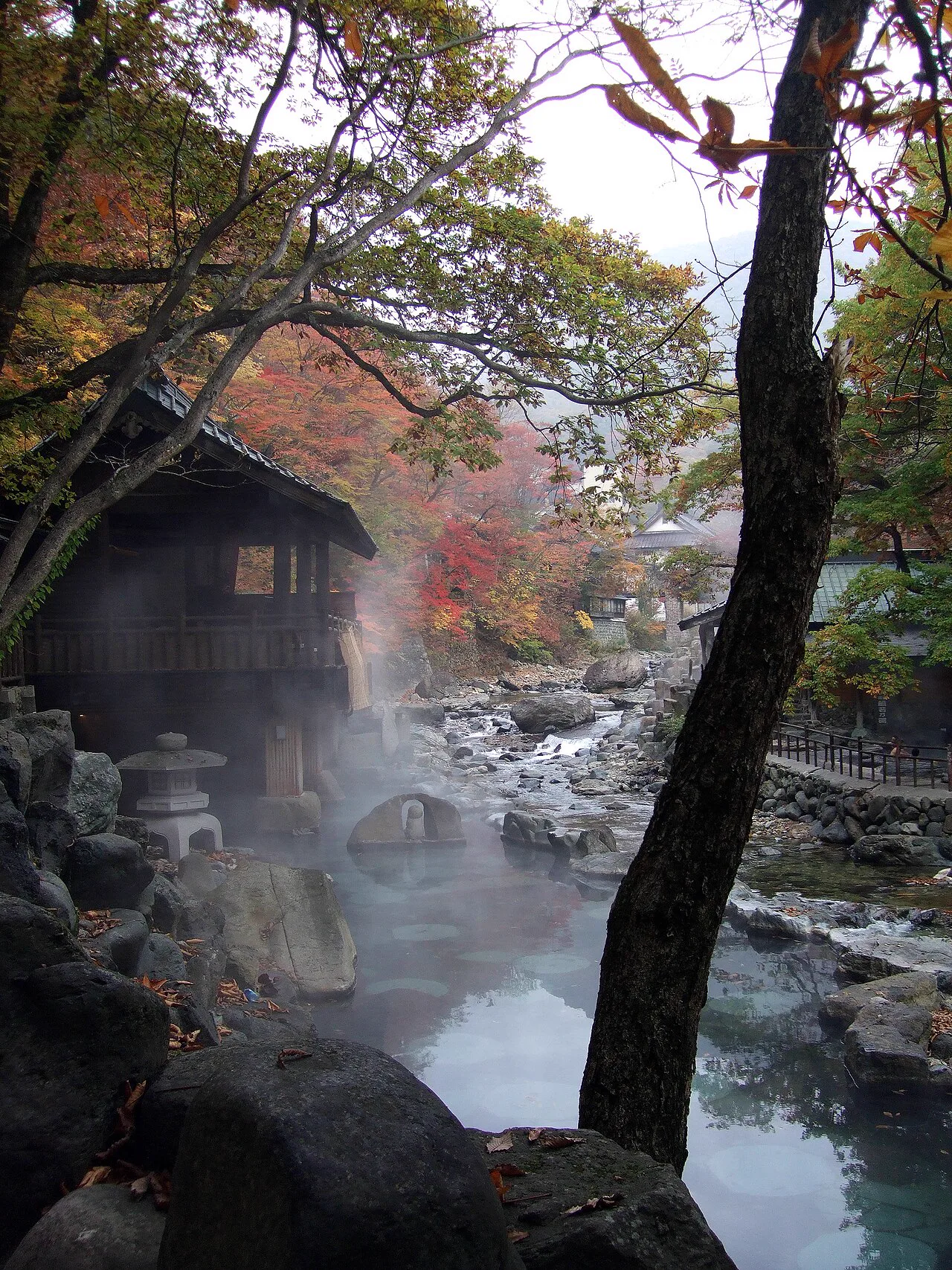
Spa Aquas Yutoraku’s public material describes its water as flowing groundwater, but does not provide a spring name or hot-spring analysis certificate confirming natural onsen water. It is better described as a renovated super sento with multiple bathing options than sold as a natural hot-spring destination.
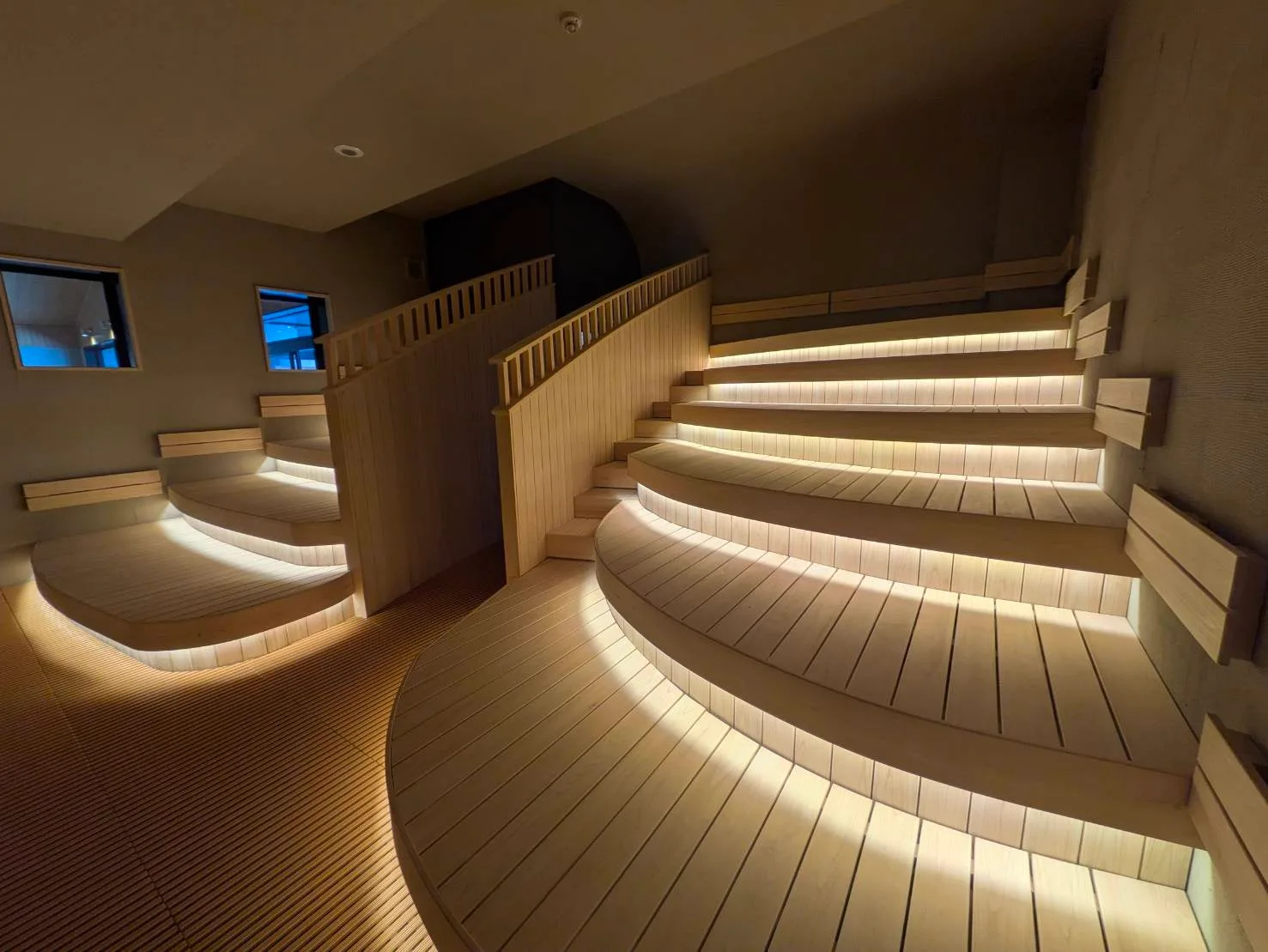
The sauna lineup differs by side. The men’s bathing area has a stadium sauna with more than 40 seats and a dark meditation sauna. The operator lists roughly 80°C on the lower seats and up to 95°C near the top; staff also lead towel aufguss sessions. The women’s area has an aromatic sauna and an imported Finnish barrel sauna where conversation is allowed. These are distinct setups, not smaller and larger versions of the same room.
Those temperatures and event settings can change. In July 2026, the operator described the main sauna’s regular setting as around 80–85°C, while an event on August 8 temporarily raised it to 88°C. Don’t use one event’s temperature as the year-round specification.
Take care with rapid hot-and-cold changes. Stop if you feel dizzy, nauseated, unusually cold or unwell; avoid intense contrast bathing after drinking. If you are new to cold plunges, the roughly 16°C indoor bath is the gentler place to start, and there is no need to stay in longer than feels comfortable.
Ganbanyoku is a lounge as much as a heat room
The extra-charge “Rikanbō” zone combines heated-stone rooms, a timed auto-löyly room, warm floors, an outdoor rest terrace and a cooling room. Its roughly 6,000 manga and magazines, Wi-Fi, private semi-enclosed booths and raised loft seating make it possible for a group to spend time together without doing the same thing throughout the visit. One person can read while another takes another heat-room session, then meet for food.
That layout is the strongest argument for paying the add-on. If you plan to stay for half a day, the extra ¥500 on a weekday or ¥600 on a weekend buys more than another hot room. If your priority is simply a natural spring bath, however, this is not the place to pay extra expecting one.
Getting there from Nagoya without a car
From Meitetsu Nagoya, a common route is to change at Meitetsu Ichinomiya for the Bisai Line to Kaimei, then walk about seven minutes. The rail leg typically takes around 22–30 minutes, depending on the connection. The spa also has 230 parking spaces, so driving is straightforward, but it is not required.
This is a reasonable half-day side trip from a Nagoya stay, though it is not a central-city bathhouse. If you would rather stay in town and focus specifically on natural hot-spring water, compare the options in the Nagoya day-use onsen guide. Yutoraku’s appeal is the mix of sauna, bathing and long-stay lounge facilities.
Opening hours and choosing a time to visit
The current schedule is 9 a.m.–midnight Monday to Thursday and Sunday, and 9 a.m.–1 a.m. Friday and Saturday. A 25:00 closing means 1 a.m. the following day; the facility is not open overnight, and the lounge is not an overnight sleeping area.
The operator’s age estimate came from evening visits, and its opening-period report described busy nights. Neither establishes a permanent crowd level. If a quieter visit matters more than seeing the launch-period crowd, go earlier. The spa has not clearly published its tattoo policy, so contact it before visiting if that could affect entry.